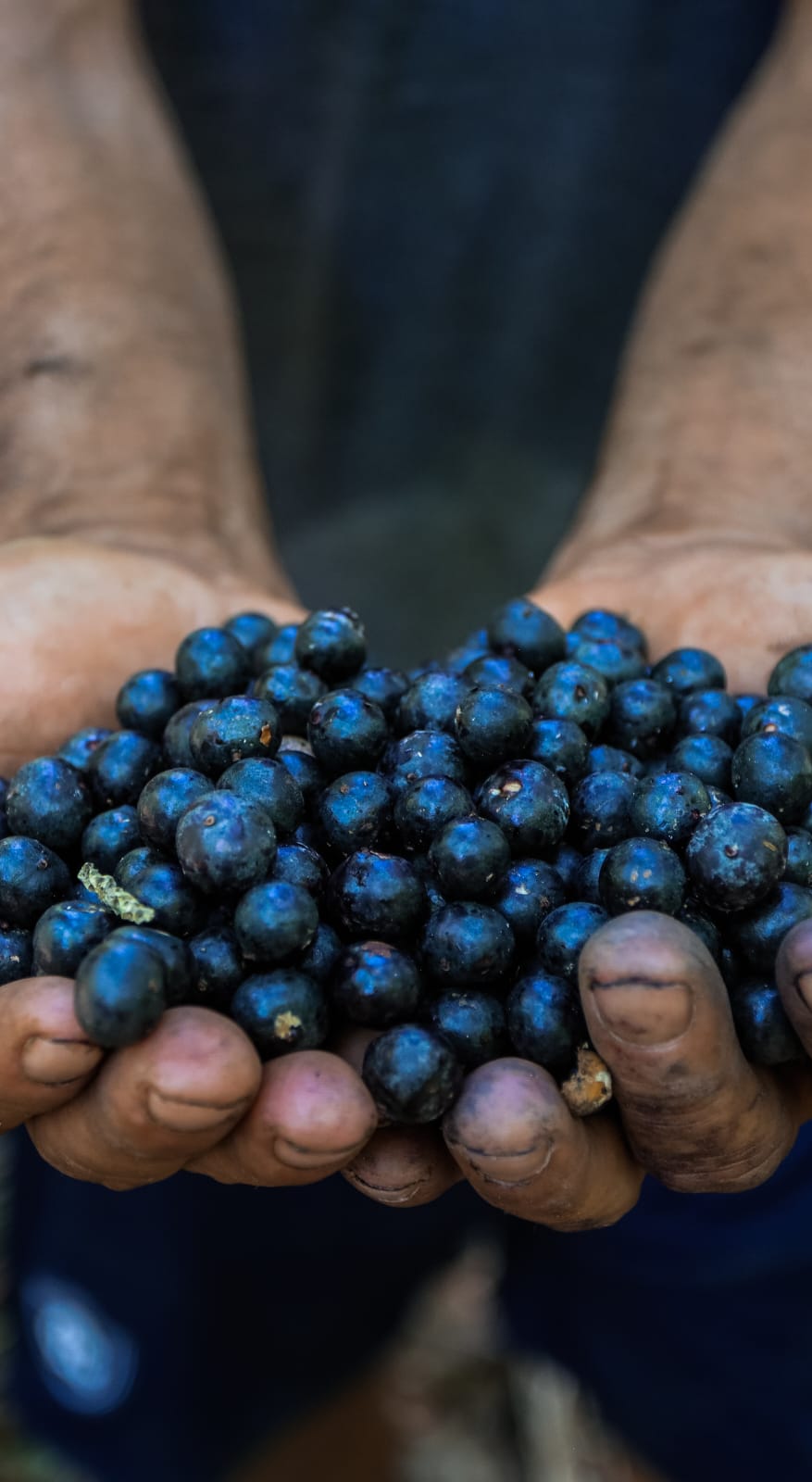
Walk into almost any health café in Dubai and you will see "açaí" on the menu. Fewer will tell you where their açaí comes from, whether it is organic, or what grade of pulp they are using. This matters more than most customers realise, because the difference between certified organic açaí and commodity product is significant — in taste, in nutrition, and in the environmental and social impact of the supply chain behind your bowl.
What Organic Certification Actually Means for Açaí
Organic certification for açaí means the berries were grown without synthetic pesticides, herbicides, or fertilisers. It also means the processing facility meets certified organic handling standards, which controls what can be added to the pulp during processing. Importantly, it means a third-party body has audited the supply chain and verified these claims rather than leaving them as marketing language.
For açaí specifically, this matters because the berry has a thin skin and is harvested from trees in a dense rainforest environment. Non-organic production can involve chemical use that affects both the nutritional profile of the berry and the ecosystem it grows in. The Amazon basin is not a factory farm where you can easily isolate inputs and outputs. Chemical use in one part of the forest affects water systems, soil biology, and the wildlife that indigenous communities depend on.
Look for USDA Organic or EU Organic certification numbers from suppliers. If a café or brand claims organic without a certification number you can verify, that claim is unverified.
Fair Trade: Why It Pairs with Organic
Organic certification tells you about the product. Fair trade certification tells you about the people who grew it. Açaí is harvested by hand from wild and cultivated açaí palms in Pará, Brazil, by farming families who have worked in the Amazon for generations. Fair trade certification confirms these families are paid fairly and that the supply chain has been audited for labour practices.
At Projeto Açaí, our açaí is both organic and fair trade certified. We source directly from farming families in Pará and five percent of every açaí purchase at our locations goes back to protecting the Amazon rainforest and supporting the communities that harvest the berry. This is not a rounding error in our margins. It is built into how we operate.
How to Know What You Are Ordering
When you order an açaí bowl in Dubai, you can ask: is this organic? Where is it from? If the café can answer both questions specifically, that is a good sign. If they cannot, the product is likely a commodity import with no traceability.
At Projeto Açaí, we are direct about what we use and where it comes from, because that transparency is part of why the product exists. Our açaí comes from Pará. It is 100% organic and fair trade. There is no sugar added. No fillers. Just açaí.