If you ordered an açaí bowl this morning in Dubai, you were eating something that indigenous communities in the Amazon basin have been eating for at least a thousand years. That is not a marketing claim. It is the history of one of the most nutrient-dense foods the natural world has produced, and understanding that history changes how you think about the bowl in front of you.
Açaí in the Amazon: The Original Context
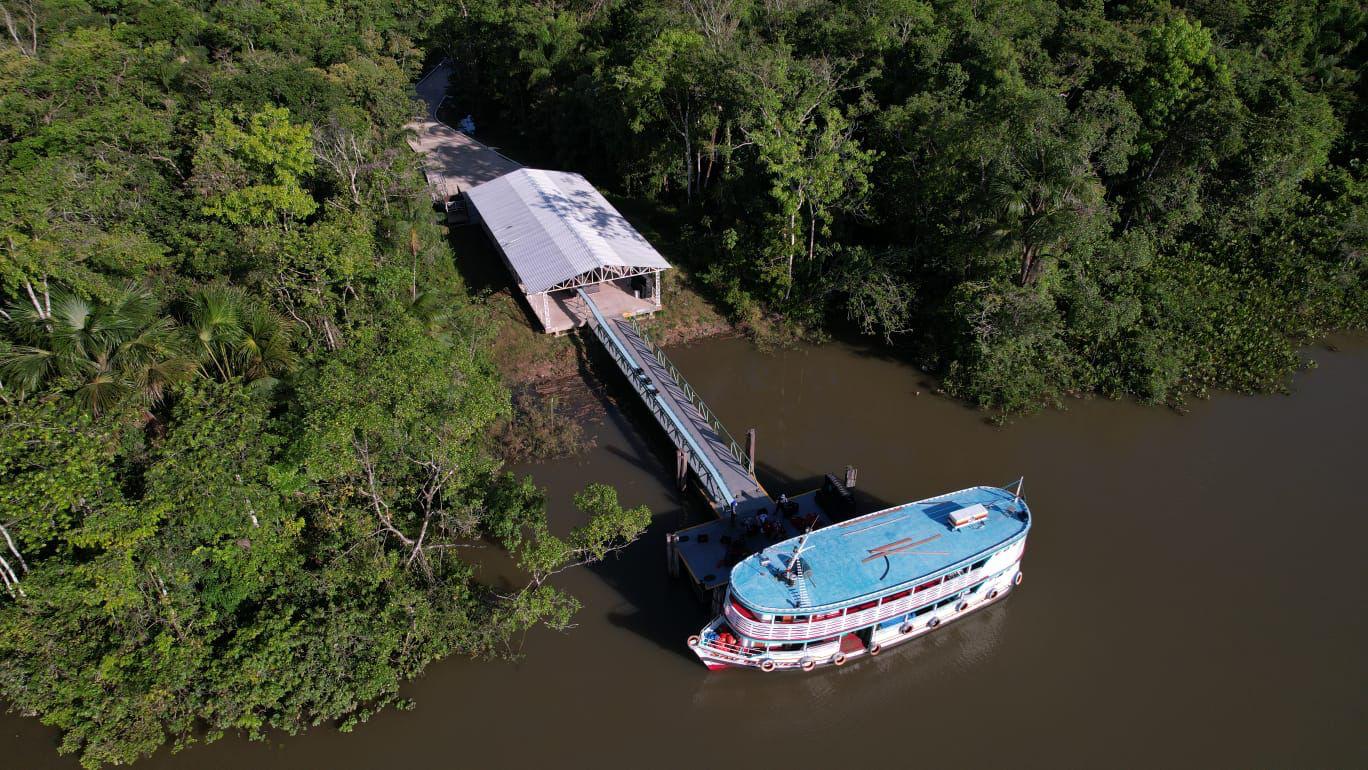
Açaí grows on a specific palm tree, Euterpe oleracea, that thrives in the floodplains and riverbanks of the Amazon delta in the Brazilian state of Pará. The berries grow in large clusters near the top of the palm and are harvested by skilled climbers who scale the trees without equipment, a technique passed down through generations of farming families.
For indigenous Amazonian communities, açaí was not a health food trend. It was a staple. The berry provided a dense source of calories, fats, and nutrients in an environment where food security was tied directly to the forest. It was typically eaten as a thick purple paste alongside fish or dried shrimp, a meal that could fuel a day of physical labour in the Amazon heat.
The city of Belém, at the mouth of the Amazon river, became the centre of açaí culture in Brazil. At markets like Ver-o-Peso, one of the oldest markets in South America, açaí has been sold by the litre for centuries. To this day, residents of Belém consume more açaí per capita than anywhere else in the world. It is a cultural cornerstone, not a wellness product.
How Açaí Left the Amazon
Açaí began its journey out of the Amazon in the 1970s and 1980s when Brazilian jiu-jitsu fighters in Rio de Janeiro started eating it as a high-energy training food. The dense caloric content and recovery-supporting properties made it ideal for athletes. It was still served the traditional way, as a thick frozen paste, but the context had shifted from Amazon subsistence to urban sport.
By the 1990s, açaí had reached the beaches of Rio and São Paulo, where the surf culture embraced it as the ultimate post-session food. Açaí bowls with banana and granola became a fixture at beach kiosks up and down the Brazilian coast. This version, sweetened slightly and served as a topping-based bowl, is what most of the world now recognises.
The international spread came in the 2000s. California's health food scene picked up açaí, and from there it entered global wellness culture. By the 2010s it was on menus in New York, London, Sydney, and eventually Dubai.
What the Journey Costs the Amazon
The global demand for açaí has been both a benefit and a risk for the communities who harvest it. Higher demand means higher prices and more income for farming families in Pará. But it also means pressure on the supply chain to produce at volume, which can lead to unsustainable harvesting, deforestation to create agricultural land, and displacement of traditional communities.
The difference between responsible and irresponsible açaí sourcing is whether the supply chain traces back to farming families using traditional, sustainable methods, or to industrial operations that treat the Amazon as a resource to extract rather than a living system to steward.
At Projeto Açaí, we source directly from Pará and give five percent of every açaí purchase back to Amazon conservation and support for local farming families. The history of açaí is inseparable from the people who cultivated it. The bowl you eat should honour that.