We did not start Projeto Açaí to become an açaí supplier. We started it because we wanted to bring genuine, organic açaí from the Amazon to Dubai and serve it the way it is actually eaten in Brazil. The wholesale supply side grew out of that, because once we had built a direct sourcing relationship with producers in Pará, other operators started asking us how to get the same product.
Three years in, supplying restaurants, cafés, hotels, and gyms across Dubai and the UAE, here is what we have learned.
Quality Problems Almost Always Start at Source
When an operator contacts us because their açaí programme is underperforming, the issue is almost always the pulp. Not the recipe, not the toppings, not the training. The pulp.
Low grade or poorly handled açaí produces a weak flavour, poor texture, and inconsistent colour. A bowl built on bad pulp will not impress customers regardless of how good the toppings are. The most common source of the problem is a supplier who does not distinguish between grades or who has not maintained cold chain integrity.
We have learned to be direct about this with potential wholesale partners. If the açaí you are currently using does not taste intensely of the berry when you blend it on its own, the supply chain is broken somewhere. The fix is not in the kitchen.
The Dubai Market Knows Açaí Now
When we opened, we spent a lot of time explaining what açaí was. Today, that conversation almost never happens. The Dubai market has been educated by a combination of social media, health food culture, and the many operators who have added açaí to their menus over the past few years.
This is good news for the category and good news for operators building açaí programmes. You do not need to educate your customers from scratch. They know what a good bowl looks like and what it should taste like. The bar is higher than it was, which rewards operators who source correctly and punishes those who cut corners.
Consistency Beats Perfection Every Time
In the first year, we spent a lot of energy trying to deliver the perfect bowl every time. What we learned is that customers care more about consistency than perfection. They want to know that the bowl they order on Thursday will be the same as the one they loved on Monday. A very good bowl that is identical every time beats an occasionally outstanding bowl that varies unpredictably.
This lesson has shaped how we advise wholesale partners. Build a recipe and stick to it. Control the portions. Train to the standard. The goal is repeatability, and repeatability requires a supply chain that delivers the same product every time.
Direct Sourcing Is Not Optional at the Quality Level We Operate
We tried working through intermediaries in the early days. The experience confirmed that direct sourcing was the only way to achieve what we wanted. An intermediary cannot give you the supply chain transparency you need, cannot move quickly when there is a quality issue, and adds cost without adding value to the product in your kitchen.
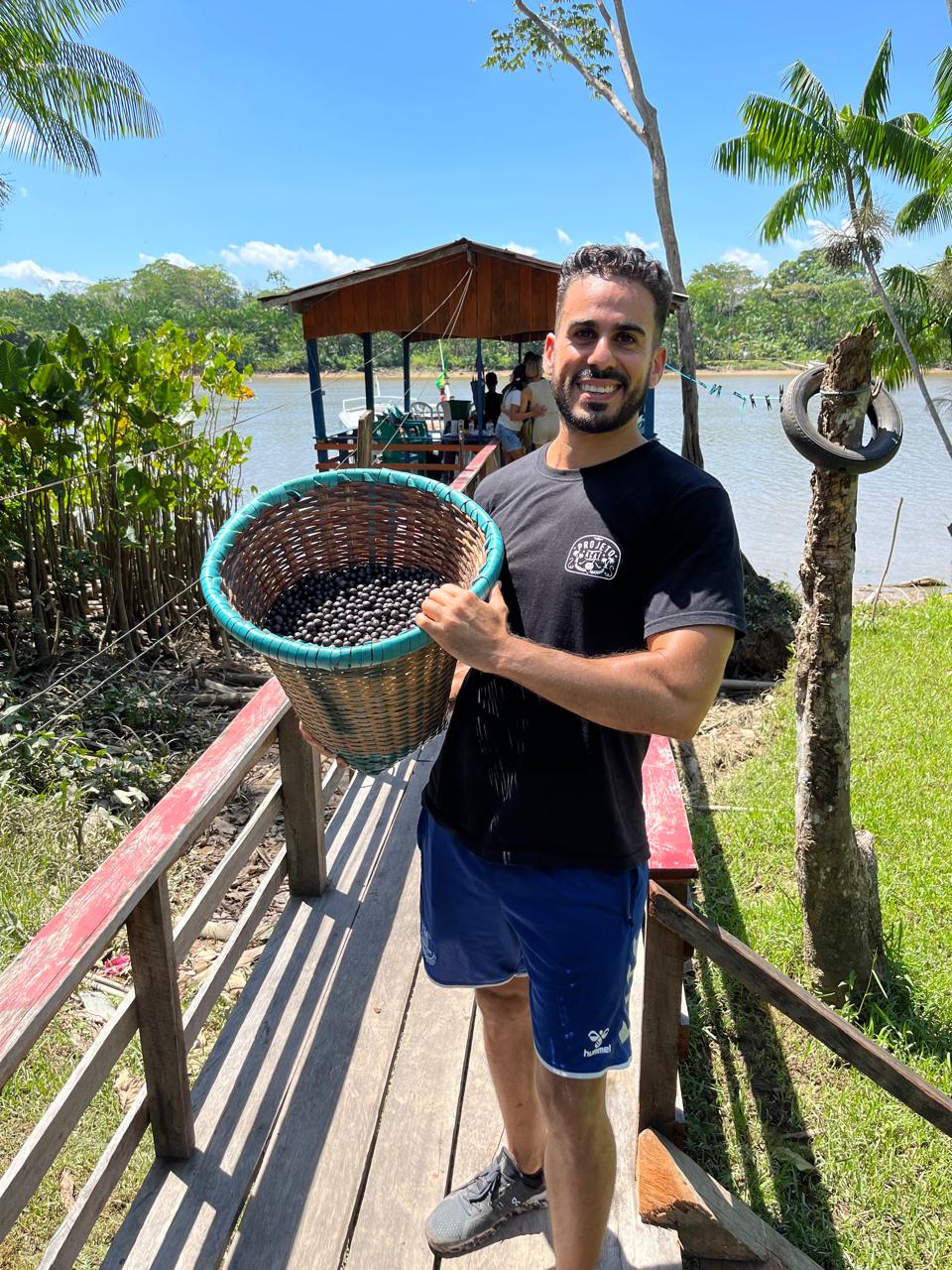
Building a direct relationship with producers in Pará takes time and requires a genuine commitment to the category. We have made that investment. When we supply wholesale partners, they get access to that supply chain without having to build it themselves.
What We Want to See More of in the Dubai Market
Three years in, the thing that excites us most about the wholesale side is operators who want to build something genuine. Not a cheap açaí offering tacked onto an existing menu, but a real programme with quality sourcing, good recipes, and a story worth telling to customers.
Dubai has the consumer base for world-class açaí. The ingredients are available. The demand is there. What is missing in some corners of the market is the commitment to sourcing correctly, and that is exactly the gap we supply into.
If you are building an açaí programme and want it done properly, we would like to be your supplier.