The açaí berry is one of the most logistically demanding foods in the world to supply well. It grows in the middle of the Amazon rainforest, ferments within 24 hours of harvest, must be processed and frozen before it loses nutritional value, and needs to stay frozen through international shipping, customs, storage, and distribution before it reaches the café or kitchen that serves it. Any break in this chain degrades the product. Most commercial açaí supply chains have at least one.
Understanding how the supply chain works helps you understand why açaí quality varies so enormously between suppliers.
Step One: Harvest and Processing in Pará
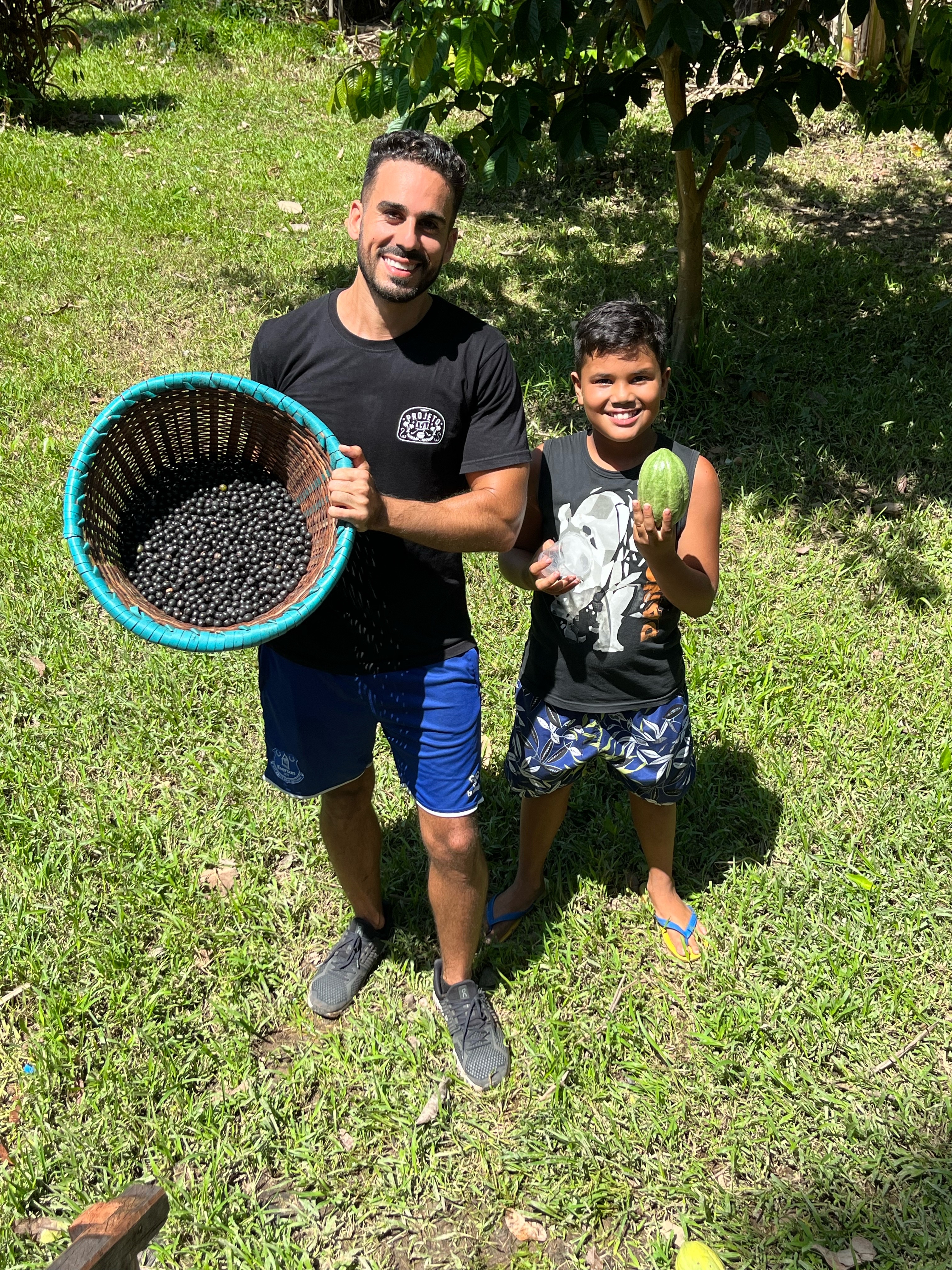
The açaí journey starts at harvest, in the floodplain forests of Pará state. Berries are hand-harvested by climbing families and transported by river boat to processing facilities, where they must arrive within hours to avoid fermentation.
At the processing facility, the berries are washed, steeped briefly in water to soften the skin, and passed through a pulper that separates the thin layer of edible pulp from the large central seed. This produces a dense, dark purple liquid that is the basis of all açaí products. The quality at this stage depends on the speed of processing, the grade of pulp concentration, and whether anything is added. High quality açaí pulp is processed fast, concentrated to Type A grade, and frozen without additives or fillers.
This frozen pulp is then packed into vacuum-sealed pouches and placed into cold storage in Pará, where it waits for export.
Step Two: International Shipping
Frozen açaí is shipped from Brazil in refrigerated containers maintained at around minus 18 degrees Celsius. The journey from Pará to Dubai typically involves ocean freight via a major transshipment port, with a transit time of several weeks. Throughout this period, the temperature must remain consistent. A single period of warming and refreezing leaves the pulp degraded, even if it still appears frozen on arrival.
Responsible importers require temperature logging documentation from the shipping company and inspect the cold chain records on arrival. Importers who do not request this documentation cannot confirm the integrity of what they received.
Step Three: UAE Import and Storage
On arrival in the UAE, açaí goes through customs clearance and into cold storage. The UAE has strong cold chain infrastructure, and storage in Dubai's food import facilities is generally reliable. The risk at this stage is in the handover between the importer's warehouse and the delivery vehicle, and between the delivery vehicle and the café freezer.
Step Four: The Last Kilometre
The final stage of the supply chain is the delivery to the kitchen. If the product arrives partially thawed due to an inadequate delivery vehicle, or if a café stores it at an incorrect temperature, the product that reaches the blender is not the same quality that left Pará. This is where a lot of supply chains fail quietly, without anyone noticing until the bowl tastes off.
At Projeto Açaí, we have built our supply chain from the Pará source to our Dubai locations over several years of direct sourcing relationships. When we supply other operators in Dubai wholesale, they receive the same product we use ourselves, sourced and handled through a chain we have personally verified.