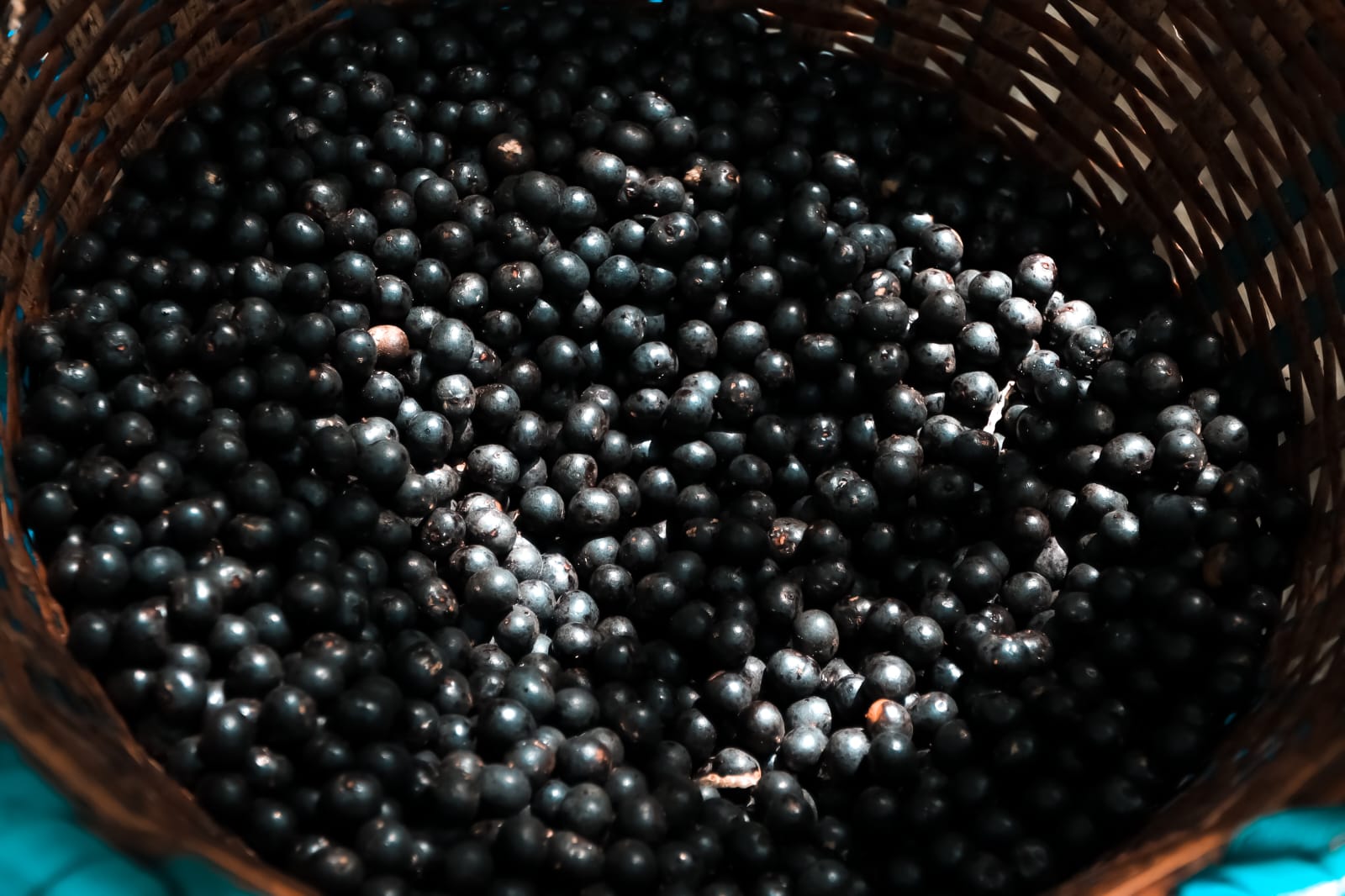
Every açaí bowl you eat in Dubai starts in the same place: the floodplain forests of Pará, Brazil, where açaí palms grow along the banks of the Amazon's vast river network. The journey from that forest to your bowl spans continents and thousands of kilometres. But the starting point has not changed in centuries. The berry still grows on the same trees, in the same ecosystem, harvested by the same families using the same methods as their grandparents used.
Understanding where açaí comes from changes how you think about what you are eating.
The Açaí Palm
The açaí palm (Euterpe oleracea) is native to the Amazon delta. It grows best in the seasonally flooded lowlands of Pará, where the combination of tropical heat, high humidity, and regular inundation from Amazon tributaries creates conditions unlike almost anywhere else on earth. The palm can grow to 25 metres tall and produces multiple clusters of berries per year, with each cluster containing hundreds of small, dark purple fruits.
The berry itself is small, roughly the size of a grape, with a large seed that takes up most of the volume. Only the thin outer layer of skin and flesh is usable. This is why açaí pulp requires significant processing to produce and why the nutritional density is so high per gram of edible material.
How Harvesting Works
Açaí harvesting is almost entirely manual. The clusters grow near the top of tall palms, and reaching them requires climbing without mechanical equipment. Skilled harvesters, known as peconheiros, use a technique of wrapping a rope or palm fibre loop around their feet and shimmying up the trunk with quick, efficient movements. A practised harvester can reach the top of a 20-metre palm in under a minute.
Once at the top, the harvester cuts the berry clusters and drops them to the ground below. The clusters are collected into large baskets and transported by boat along the river network to processing facilities. Because açaí berries begin to ferment within 24 hours of harvest, the processing must happen quickly. High quality açaí pulp is cold pressed and frozen within hours of the berries leaving the tree.
The families who perform this work have been doing it for generations. In many cases the specific harvesting routes, the trees, and the territory are passed down within families. The knowledge of the forest, which trees produce the best fruit at which time of year, is practical intelligence accumulated over lifetimes.
Wild vs Cultivated
Açaí grows both wild in the Amazon forest and in cultivated stands where farming families have planted and managed palms specifically for harvest. Both produce high quality fruit when managed properly.
Wild açaí is harvested from palms that grow naturally in the floodplain ecosystem. The trees are not planted or managed beyond selective harvesting, and the ecosystem around them remains intact. This is the most sustainable form of açaí production and the most traditional.
Cultivated açaí involves families planting palms in managed stands, often alongside other crops, to create a more predictable and concentrated harvest. Done well, this maintains biodiversity and provides more reliable income for farming families without the ecological cost of conventional agriculture.
At Projeto Açaí, we source from Pará and prioritise suppliers who work with traditional harvesting families using sustainable methods. The 5% of every açaí purchase that goes back to Amazon conservation is one way we try to ensure the ecosystem that produces this food continues to thrive.