Adding açaí bowls to a café menu in Dubai is straightforward in theory. Buy the pulp, set up a topping bar, write the menu. In practice, the cafés that run a consistently profitable açaí programme have thought carefully about the menu structure, the portion economics, and the operational flow before they launched. The ones that struggle usually skipped one of those three.
Here is what makes a café açaí menu work.
Keep the Menu Tight
The instinct when launching a new food programme is to offer as many options as possible. More choice feels like more appeal. In reality, a café açaí menu with eight bowl options creates complexity in the kitchen, indecision at the counter, and inconsistent execution across shifts.
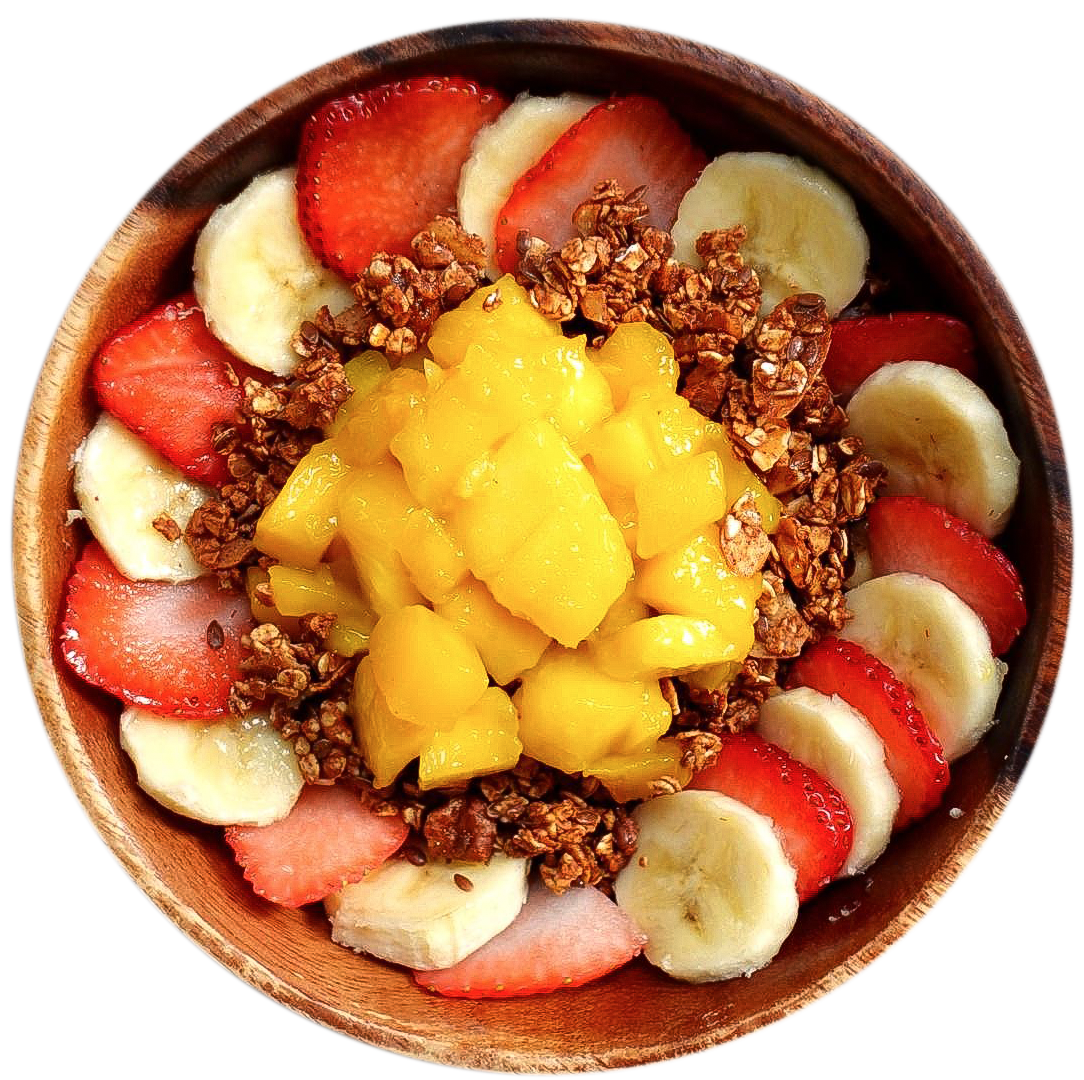
Three to four bowl options is the right number for a café context. A classic base bowl that showcases the açaí without distraction. A protein-forward version for the fitness market. A seasonal or limited option that rotates. An indulgent version with premium toppings for the treat occasion. These four cover the full range of customer intent without overwhelming the prep station.
Each bowl should have a name, a defined recipe, and a fixed price. The recipe includes exact quantities for every topping. Not "add granola" but "add 25g granola." This is the operational discipline that makes the programme sustainable.
Price Correctly From Day One
Pricing açaí bowls in Dubai requires understanding where you sit in the market and what your cost structure supports. The temptation for new operators is to price conservatively to attract customers. This is usually the wrong move.
Customers who are choosing an açaí bowl are making a considered food decision. They have chosen to spend money on something healthy and good quality. They are not price shopping against fast food. Pricing a well-made açaí bowl at AED 45 because you are afraid to charge AED 58 leaves margin on the table and signals lower quality to the exact customers who would pay more for the real thing.
Calculate your actual food cost per bowl: pulp, toppings, packaging if relevant. Set a target margin of 60 to 65 percent gross. Price accordingly. If the number feels high, check whether your sourcing cost is right before you reduce the price.
Operational Flow: Where Consistency Comes From
A café that makes 40 açaí bowls a day across two or three people on different shifts needs a system, not just a recipe. The system is what produces the same bowl every time regardless of who is making it.
The prep starts the night before or first thing in the morning. Granola portioned into containers. Fruit prepped and stored. Nut butters measured into squeeze bottles or individual portions. The açaí pulp moved from the freezer to the appropriate storage position so it is at the right temperature for blending during service.
During service, the build is scripted. Blend the açaí for this many seconds with this amount of liquid. Pour into the bowl in this direction. Toppings added in this order. Finished bowl presented this way. This feels excessive until you watch two different people make the same bowl without instruction and compare the results.
Working With Your Supplier on Menu Development
A wholesale supplier who understands café operations can help you with more than just delivering pulp. They can advise on portion sizing based on their own operational experience, suggest topping combinations that work well with specific açaí grades, and flag any quality or consistency issues before they affect your kitchen.
We work with wholesale partners in Dubai on menu development as part of the supply relationship. If you are building a new açaí programme and want input from operators who have been running it at volume, we are available to that conversation.